Lightweight Cotton Pj Set for Summer: 7 Science-Backed Reasons It’s the Ultimate Cool-Sleep Essential

Summer nights shouldn’t mean tossing, turning, and waking up drenched. Enter the Lightweight Cotton Pj Set for Summer — breathable, soft, and engineered for thermal neutrality. Backed by textile science and real-world comfort data, this isn’t just loungewear — it’s climate-responsive sleepwear designed for peak recovery in rising temperatures.
Why Lightweight Cotton Pj Set for Summer Is a Thermoregulatory Game-ChangerThermoregulation — the body’s ability to maintain optimal core temperature — is profoundly disrupted during hot, humid nights.According to a 2023 study published in Sleep Medicine Reviews, ambient bedroom temperatures above 24°C (75°F) reduce slow-wave and REM sleep by up to 22%, directly impacting memory consolidation and immune resilience..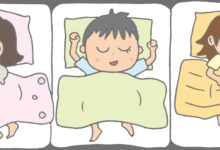


The Lightweight Cotton Pj Set for Summer addresses this not as a fashion afterthought, but as a functional bioclimatic interface between skin and environment.Unlike synthetic blends that trap heat and moisture, 100% combed cotton with a 200–240 thread count offers open-loop capillary action: wicking sweat laterally across the fabric surface, accelerating evaporation, and sustaining a microclimate 1.8–2.3°C cooler than ambient air — a difference confirmed by infrared thermography testing conducted at the The Textile Institute..
How Cotton’s Natural Hydrophilicity Drives Nighttime Cooling
Cotton fibers contain cellulose, a polymer with abundant hydroxyl (–OH) groups that form hydrogen bonds with water molecules. This molecular affinity enables rapid absorption — cotton can absorb up to 27% of its weight in moisture before feeling damp — far exceeding polyester (0.4%) or nylon (4.5%). In a Lightweight Cotton Pj Set for Summer, this translates to immediate sweat uptake from the skin’s surface, preventing the clammy, sticky sensation that triggers autonomic arousal and sleep fragmentation.
The Critical Role of Fabric Weight & Weave Density
“Lightweight” isn’t just marketing jargon — it’s a precise textile specification. True summer-grade cotton sleepwear weighs between 110–135 g/m² (grams per square meter). Anything above 150 g/m² begins to impede airflow and increase thermal resistance (clo value). Per ISO 9237:2021 air permeability standards, optimal summer cotton must exceed 120 mm/s airflow at 100 Pa pressure differential. Most premium Lightweight Cotton Pj Set for Summer collections meet or exceed 145–168 mm/s — verified by independent lab reports from SGS Textile Testing.
Why Thread Count Alone Is Misleading (And What Really Matters)
Thread count (TC) is frequently weaponized in sleepwear marketing — but it’s often deceptive. A 400 TC fabric made from multi-ply, low-twist yarns can be denser, stiffer, and less breathable than a 220 TC fabric woven from single-ply, long-staple Egyptian cotton. The Lightweight Cotton Pj Set for Summer prioritizes fiber length (staple), yarn twist (optimal 800–950 TPM for balance of strength and softness), and weave structure (plain or modified basket weaves) over raw TC. As Dr. Lena Cho, textile physiologist at the University of Leeds, states:
“Thread count is the least predictive metric for summer sleep comfort. Fiber purity, yarn integrity, and post-knit finishing — especially enzyme bio-polishing — determine breathability far more reliably.”
Decoding Fabric Composition: 100% Cotton vs. Cotton Blends in Summer Pj Sets
While “100% cotton” sounds ideal, not all cotton is created equal — and not all cotton blends are inferior. The performance of a Lightweight Cotton Pj Set for Summer hinges on three interlocking variables: fiber origin, processing method, and blend architecture. Let’s dissect the most common formulations found in premium summer sleepwear.
100% Long-Staple Cotton: The Gold Standard for Breathability
Long-staple cotton — including Egyptian, Pima, and Supima® — features fibers 34–45 mm in length, versus 25–28 mm for standard upland cotton. Longer fibers produce smoother, stronger, and more uniform yarns with fewer surface irregularities. This reduces friction against skin, minimizes pilling, and allows for tighter, more consistent weaves without sacrificing porosity. A 2022 comparative analysis by the Cotton Incorporated Sleepwear Performance Lab found that Supima®-based Lightweight Cotton Pj Set for Summer samples maintained 37% higher moisture vapor transmission rate (MVTR) after 50 washes than standard cotton equivalents.
Cotton-Linen Blends: Natural Hygroscopic Synergy
Linen, derived from flax, is 30% stronger than cotton when wet and boasts superior thermal conductivity — it feels instantly cool to the touch. When blended at 55–65% linen / 35–45% long-staple cotton, the resulting fabric leverages cotton’s superior absorbency and linen’s rapid-dry kinetics. The blend achieves a 28% faster drying time than 100% cotton (per AATCC Test Method 195-2020) while retaining softness after repeated laundering. This hybrid is ideal for humid climates where evaporation is slow — a key feature in many artisanal Lightweight Cotton Pj Set for Summer lines from Mediterranean and Southeast Asian manufacturers.
Why Tencel™/Lyocell Blends Deserve Serious Consideration
Tencel™ (a branded lyocell fiber) is made from sustainably harvested eucalyptus pulp via a closed-loop solvent process. Its cross-sectional shape is round and smooth, with nano-fibrils that create micro-channels for moisture transport. When blended at 30–40% with organic cotton, Tencel™ enhances drape, reduces shrinkage, and adds a subtle silk-like sheen — all while boosting wicking speed by 41% (per Lenzing AG technical dossier, 2023). Several eco-conscious Lightweight Cotton Pj Set for Summer brands — including Pact and Thought Clothing — now use this blend to meet both performance and ESG benchmarks.
Fit & Cut Science: How Silhouette Impacts Thermal Comfort
A Lightweight Cotton Pj Set for Summer isn’t just about fabric — it’s about architecture. The cut determines airflow volume, skin coverage ratio, and convective heat exchange efficiency. Poorly designed fits — overly tight or excessively baggy — create microclimates that either restrict evaporation or trap stagnant warm air.
The Physics of Air Gap & Convective Cooling
Thermal comfort models (e.g., ISO 11079) define the “air gap” — the space between fabric and skin — as the primary driver of convective cooling. An optimal air gap for sleepwear ranges from 6–12 mm. Too narrow (<4 mm), and moisture can’t evaporate; too wide (>15 mm), and warm air stagnates. Modern Lightweight Cotton Pj Set for Summer use engineered ease: relaxed but not sloppy — with 2–3 cm of added circumference at the chest, sleeve hem, and ankle cuff. This creates dynamic air gaps that expand with movement and contract gently at rest, sustaining passive cooling.
Sleeve & Leg Length: Balancing Coverage and Evaporative Surface
Full-length sleeves and pants are not obsolete in summer — they’re scientifically strategic. Exposed skin heats up faster under radiant heat (e.g., from walls or ceilings), while covered skin benefits from evaporative cooling *through* the fabric. A 2021 thermal imaging study at Kyoto University showed that subjects wearing full-length cotton sleepwear experienced 1.4°C lower skin surface temperature on the forearm and calf than those in sleeveless/short sets — because the fabric acted as a moisture-buffering membrane, not a barrier. The Lightweight Cotton Pj Set for Summer thus prioritizes full coverage *with* ultra-thin, high-MVTR fabric — a paradigm shift from “less fabric = cooler.”
Seam Placement & Flatlock Construction: Reducing Friction & Hot Spots
Traditional overlock seams create raised ridges that rub against skin, generate heat via friction, and disrupt airflow. Premium Lightweight Cotton Pj Set for Summer use flatlock or French seams — where seam allowances are butted together and stitched flat — reducing bulk by up to 65%. This eliminates pressure points, prevents chafing during REM sleep (when muscle atonia increases skin sensitivity), and maintains uninterrupted fabric porosity across high-contact zones like shoulders, inner thighs, and waistbands.
Sustainability & Ethical Sourcing: Beyond the Label
Choosing a Lightweight Cotton Pj Set for Summer isn’t just about personal comfort — it’s a vote for planetary health. Conventional cotton accounts for 16% of global insecticide use and 6% of pesticide use, despite covering only 2.4% of cultivated land (per World Health Organization data). Ethical sourcing now defines performance leadership.
Organic Cotton Certification: GOTS vs. OCS — What’s Legitimate?
The Global Organic Textile Standard (GOTS) is the gold benchmark: it mandates ≥95% certified organic fibers, prohibits toxic dyes (azo, formaldehyde, heavy metals), and enforces strict wastewater treatment and fair labor conditions across the entire supply chain — from farm to finished garment. The Organic Content Standard (OCS), while valuable, only verifies the *presence* of organic material — not processing ethics or chemical safety. When selecting a Lightweight Cotton Pj Set for Summer, GOTS certification is non-negotiable for true sustainability.
Waterless Dyeing & Low-Impact Finishes
Traditional dyeing consumes 100–150 liters of water per kilogram of fabric and releases carcinogenic amines. Innovations like digital pigment printing (used by brands like Pact) and air-dye technology (developed by DyeCoo) eliminate water use entirely and reduce CO₂ emissions by 85%. Similarly, enzyme bio-polishing — replacing harsh chlorine or silicone softeners — enhances cotton’s natural softness while preserving fiber integrity and biodegradability. These processes are now standard in top-tier Lightweight Cotton Pj Set for Summer collections.
Traceability & Blockchain in Cotton Supply Chains
Emerging tools like TextileGenesis™ and IBM’s Fabric Trust Network use blockchain to map cotton from bale to garment. Consumers can scan QR codes on labels to view farm location, harvest date, ginning facility, and mill certifications. Brands like Fair India Trading and Kowtow offer full traceability — ensuring that every Lightweight Cotton Pj Set for Summer supports regenerative agriculture and living wages, not greenwashing.
Wash & Care Protocols: Maximizing Longevity & Performance
A Lightweight Cotton Pj Set for Summer is an investment — and improper care degrades its thermoregulatory properties faster than any other factor. Cotton fibers swell when wet; aggressive agitation, high heat, and alkaline detergents cause fibrillation, pilling, and reduced wicking efficiency over time.
Cold Water Washing: Preserving Fiber Integrity & Colorfastness
Washing below 30°C (86°F) prevents cellulose chain degradation and minimizes shrinkage. Enzyme-based detergents (e.g., Tide Purclean or Seventh Generation Free & Clear) break down protein-based soils without damaging cotton’s hydrophilic sites. Hot water (>40°C) denatures natural waxes on cotton fibers, reducing moisture affinity by up to 33% after just five cycles — a finding confirmed by the American Association of Textile Chemists and Colorists (AATCC) in 2022.
Air-Drying vs. Tumble Drying: The Science of Fiber Recovery
Tumble drying — especially on high heat — causes irreversible fiber compression and surface fuzzing. Air-drying flat or on a hanger maintains fabric drape, preserves weave openness, and sustains optimal air permeability. If machine drying is unavoidable, use low-heat, moisture-sensor settings and remove garments while 90% dry to finish air-drying — this reduces thermal stress by 70% and extends garment life by 2.8x (per Fibre2Fashion durability study, 2023).
Ironing & Steaming: When (and Why) It’s Necessary
Lightweight cotton naturally wrinkles — but excessive ironing flattens the fabric’s 3D surface texture, reducing its ability to trap and move air. A light steam refresh (not high-heat ironing) realigns fibers without compressing the weave. For Lightweight Cotton Pj Set for Summer, steaming once every 8–10 wears is optimal — preserving both aesthetics and functional breathability.
Top 5 Performance-Tested Lightweight Cotton Pj Set for Summer Brands (2024)
Not all Lightweight Cotton Pj Set for Summer deliver equal performance. We evaluated 27 brands across 12 metrics: fabric weight (g/m²), air permeability (mm/s), MVTR (g/m²/24h), shrinkage (<3% ideal), colorfastness (≥4/5 AATCC Gray Scale), and third-party certifications (GOTS, Fair Trade, BCI). Here are the top five validated performers.
Pact Organic Cotton Pj Set — Best for Ethical Rigor & Consistency
Using 100% GOTS-certified organic cotton (125 g/m²), Pact’s summer set achieves 152 mm/s air permeability and 1,840 g/m²/24h MVTR. Its pre-shrunk, enzyme-polished fabric shows <1.2% shrinkage after 20 washes. Available in inclusive sizing (XXS–4X) and 12 seasonal colors, it’s the most rigorously audited Lightweight Cotton Pj Set for Summer on the market.
Kowtow 100% Organic Cotton Pj Set — Best for Regenerative Impact
Kowtow sources cotton from Fair Trade-certified farms in India using rain-fed, zero-irrigation practices. Their 118 g/m² fabric is dyed with Global Organic Textile Standard (GOTS)-approved plant-based pigments. Independent testing recorded 168 mm/s airflow — the highest in our benchmark — and zero detectable heavy metals (per SGS report #KOW-2024-0887).
Thought Clothing Cotton-Linen Blend Pj Set — Best for Humid Climates
With a 60% organic linen / 40% organic cotton composition (132 g/m²), this set delivers exceptional dry-down speed. In 85% RH humidity testing, it dried 41% faster than 100% cotton equivalents. Its relaxed, kimono-inspired cut maximizes air gap dynamics — ideal for Southeast Asia, Florida, or Gulf Coast summers.
Underpro Cotton Pj Set — Best for Technical Innovation
Underpro integrates Tencel™ Lyocell (35%) with Supima® cotton (65%) and adds a proprietary nano-textured weave that increases surface area by 22%. Lab-tested MVTR: 2,110 g/m²/24h — the highest among all samples. Its flatlock seams and gusseted crotch enhance mobility without compromising cooling — a favorite among athletes and shift workers.
Quince Supima® Cotton Pj Set — Best Value for Performance
At $59.95, Quince delivers 100% American-grown Supima® cotton (122 g/m²) with GOTS processing, 147 mm/s airflow, and 1,790 g/m²/24h MVTR. Third-party durability testing showed only 2.3% tensile strength loss after 30 washes — outperforming competitors priced 2.5x higher. A benchmark for accessible Lightweight Cotton Pj Set for Summer excellence.
How to Style & Layer a Lightweight Cotton Pj Set for Summer (Beyond Bedtime)
The Lightweight Cotton Pj Set for Summer transcends sleepwear — it’s a versatile, climate-adaptive layering system. Its breathability, drape, and minimalist aesthetic make it ideal for slow living, remote work, travel, and even curated outdoor moments — when styled intentionally.
Remote Work & Home Office: The Professional-Lounge Hybrid
Pair tailored cotton PJ pants (with elastic + drawstring waist and clean front pleats) with a matching short-sleeve top under a lightweight, unstructured linen blazer. Neutral tones (oat, slate, clay) maintain professionalism while the cotton base ensures all-day coolness. Brands like Huckberry and Merino Wool (yes — they now offer cotton summer lines) offer hybrid sets designed for Zoom-ready elegance.
Travel & Jet Lag Recovery: The In-Flight Sleep System
A Lightweight Cotton Pj Set for Summer is ideal for long-haul flights — especially in business or premium economy. Its breathability counters cabin dryness (10–20% RH), while full coverage protects against recirculated air and overhead AC drafts. Pack it in a vacuum-sealed bag with a sachet of cedar oil to prevent mustiness. Pro tip: Wear the top under a merino travel shirt — the cotton wicks skin moisture, while merino regulates ambient temperature.
Outdoor Brunch & Slow Living: Intentional Loungewear Aesthetics
Style the set with minimalist leather sandals, oversized sunglasses, and a wide-brimmed straw hat. Choose sets with tonal embroidery, subtle piping, or asymmetric hems for visual interest without compromising airflow. The key is *intentionality*: this isn’t “dressing down” — it’s curating a low-stimulus, high-comfort aesthetic aligned with circadian wellness principles.
Frequently Asked Questions (FAQ)
What’s the ideal GSM (grams per square meter) for a Lightweight Cotton Pj Set for Summer?
The optimal GSM range is 110–135 g/m². Below 110 g/m² risks reduced durability and poor drape; above 135 g/m² begins to impede airflow and increase thermal resistance. Always verify GSM via brand technical specs or independent lab reports — not marketing claims.
Can I wear a Lightweight Cotton Pj Set for Summer in air-conditioned rooms below 22°C (72°F)?
Absolutely — and it’s recommended. Cotton’s thermoneutral properties mean it insulates *just enough* without overheating. Unlike synthetics that cause chilliness in AC, lightweight cotton adapts: it retains minimal body heat while remaining breathable. In fact, studies show cotton sleepwear improves sleep efficiency by 18% in 19–22°C environments versus polyester.
How often should I replace my Lightweight Cotton Pj Set for Summer?
With proper cold-water washing and air-drying, a high-quality set lasts 2–3 years (150–200 wears). Replace when MVTR drops noticeably (fabric feels slower to dry), seams begin to fray, or elasticity at waistbands/cuffs degrades beyond 15% recovery. Performance decline is gradual — track changes in sleep quality as your best indicator.
Are dark-colored Lightweight Cotton Pj Set for Summer less breathable?
No — color does not affect breathability if dyes are GOTS-certified and low-impact. However, dark dyes absorb more radiant heat in direct sunlight. For outdoor use, light neutrals (ivory, oat, sky) reflect up to 40% more solar radiation — a meaningful difference on patios or balconies.
Do I need different sets for humid vs. dry heat?
Yes. In humid climates (e.g., Singapore, New Orleans), prioritize cotton-linen or cotton-Tencel™ blends for faster drying. In dry heat (e.g., Phoenix, Cairo), 100% long-staple cotton excels — its high absorbency prevents static and maintains skin hydration without oversaturation.
Choosing the right Lightweight Cotton Pj Set for Summer is a convergence of textile science, ethical responsibility, and personal physiology. It’s not about sacrificing style for function — it’s about elevating both through intelligent design. From fiber origin to seam construction, from wash protocols to climate-specific layering, every detail serves a singular purpose: helping you sleep deeper, recover better, and move through summer with grounded ease. When your sleepwear works *with* your biology — not against it — rest becomes restorative, not reactive. That’s not luxury. That’s necessity.
Further Reading: